Understanding Executive Travel Risks: What Businesses and Senior Leaders Need to Know
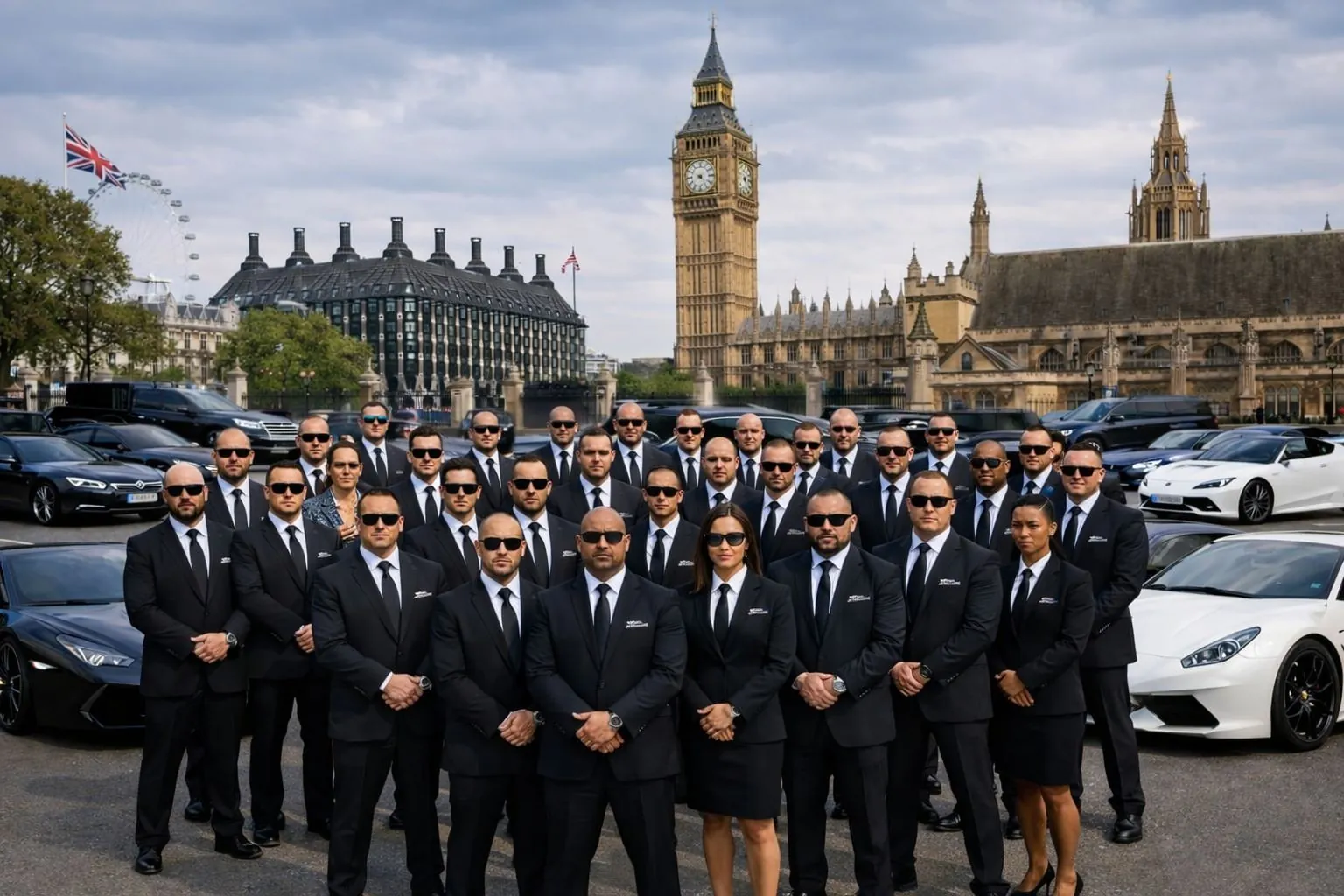
Short answer: Executive travel risks can arise from transport disruption, unfamiliar destinations, public visibility, accommodation arrangements and exposure of private information. Their importance depends on the individual and the journey. Businesses should assess relevant concerns and select proportionate safeguards; a senior job title alone does not mean an executive needs a bodyguard.
Executives often move between offices, airports, hotels, meetings and corporate events during the same visit. Responsibilities, professional visibility and last-minute changes can create personal security considerations that are not resolved by booking flights and accommodation. The useful question is what needs to be assessed, not whether a universal security package can be added to every trip.
This guide helps business owners, senior leaders, assistants and responsible managers understand those considerations at a high level. It does not provide instructions for tracking individuals, exploiting venue weaknesses or bypassing official procedures. For the wider business case, read why corporate travel security matters.
1. Why Executives Can Face Different Travel Risks
Seniority can bring public visibility, responsibility for sensitive decisions and attendance at prominent meetings. Some leaders are regularly named in event programmes or company announcements; others work privately with little public exposure. Risk therefore varies significantly even between executives in the same organisation.
A professional profile is not evidence of an immediate threat. Consider the traveller's actual circumstances, the purpose of the visit, destination conditions and any specific concern. Distinguish a reported incident from speculation and avoid treating inconvenience, unfamiliarity and credible personal threats as though they were equivalent.
Privacy and predictable arrangements
Repeated journeys and widely distributed schedules can create avoidable exposure of private information. The responsible response is to limit unnecessary sharing and assess the plan, not to publish methods for identifying an individual's movements. Consider who needs the itinerary and how updates reach them.
Personal preferences also matter. The executive may need a professional presence that respects business etiquette, accessibility requirements or family responsibilities. Discuss those needs without assuming that a discreet service can guarantee invisibility or eliminate every risk.
2. Airport and Transport Risks
Airports and other transport environments can involve unfamiliar arrangements, delays and changes to planned journeys. A traveller may arrive later than expected or require a different transfer. Those changes become more difficult when the executive, assistant and transport provider each assume another person owns the update.
Public arrivals and departures may also increase exposure for a prominent traveller. The relevance depends on circumstances and should be assessed without publishing sensitive airport procedures. Personal protection personnel must respect airport, carrier and official security rules.
Reliable coordination is a basic safeguard
Confirm who arranges transport, who receives changes and who can authorise an alternative. A contact name without clear responsibility is not enough. Agree how the next venue is informed if travel affects an appointment and what happens if a booked service cannot cover the revised timing.
Our London security chauffeur service can discuss professional driving and travel support. Confirm the scope, personnel and hours; do not assume a chauffeur booking includes accompanying close protection. Where personal support is justified, driving and protection responsibilities should be assessed together rather than silently assigned to one person.
3. Hotel and Accommodation Considerations
Accommodation should suit the traveller's practical and privacy requirements as well as the visit's schedule. Assess the general location, transport to meetings, relevant building arrangements and the ability to communicate with authorised hotel representatives. A premium label or familiar brand does not answer every assignment-specific question.
Keep room information and private contact details within appropriate channels. Do not circulate booking documents to everyone attending the meeting simply because they are convenient to forward. A hotel can also have its own rules about visitors, vehicles and private security personnel; those must be respected.
Plan for changes without exposing vulnerabilities
A changed meeting time or extended stay can affect transfers and the agreed period of support. Clarify who checks whether the revised accommodation and transport remain suitable. Document decisions at the level necessary for coordination without producing a widely shared record of sensitive details.
This is not a guide to weaknesses in buildings or unauthorised access. If a specific concern requires a professional assessment, discuss it privately with the relevant authorised parties. General online content cannot establish that a particular hotel or location is safe for an individual.
4. Public Visibility and Unwanted Attention
Public appearances, professional announcements and high-profile meetings can increase visibility during travel. The effect depends on the person's profile and the context. A business visitor attending a private appointment and a leader appearing at a public event should not automatically receive identical arrangements.
Unwanted attention may range from intrusive approaches to a specific concern requiring further assessment. Record relevant facts and communicate them to the appropriate responsible person. If there is immediate danger, contact the emergency services rather than waiting for a private security enquiry.
Share information responsibly
Discuss public information and personal concerns without publishing the protective plan. Avoid announcing live movements or unnecessarily detailed arrangements. If colleagues or hosts need an update, share what helps them fulfil their role rather than the traveller's complete schedule.
Executive protection in London can be considered for assessed requirements involving meetings, business engagements or public exposure. Support should respect venue staff and other attendees. It does not grant authority to control a public space or override lawful access rules.
5. Digital Exposure and Personal Information
Travel information is often held in emails, calendar invitations, booking systems and messaging groups. Personal contact details and sensitive business documents can be exposed through unnecessary distribution, not only through deliberate wrongdoing. Review ordinary information handling as part of the travel discussion.
Social media location sharing can also disclose more than the traveller intended. Sensible privacy practices include avoiding unnecessary live updates and reviewing who can access itinerary information. This guide intentionally does not explain how to track, target or surveil a person.
Give each recipient the information they need
A meeting host may need an arrival update, while a transport provider needs the agreed journey details. Neither necessarily needs unrelated personal information or the entire corporate itinerary. Use appropriate channels and check recipients before sharing changes or documents.
Consult your organisation's information security and data protection procedures for business material. The Information Commissioner's Office data protection principles explain general responsibilities around personal information. They are not a personalised travel security plan. Specialist cyber concerns should be referred to qualified support rather than assumed to be included in a bodyguard assignment.
6. Journey Planning and Risk Assessment
A proportionate executive travel risk assessment considers the traveller, destination, purpose of the journey and relevant concerns. It also reviews transport, meeting locations, accommodation and changes that might affect the agreed arrangements. The aim is to make informed decisions, not to justify the same control for every traveller.
Start by distinguishing confirmed facts, unresolved questions and assumptions. Current FCDO travel advice is useful for overseas destinations, but it does not assess an individual's circumstances. The visit may require additional specialist advice depending on the concern.
A useful assessment record
| Area | Question for the responsible team |
|---|---|
| Traveller | What personal requirements or relevant concerns should inform the plan? |
| Destination | Which current conditions and official advice need consideration? |
| Purpose | Are meetings private, public or unusually sensitive? |
| Transport | Who owns coordination and authorises changes? |
| Accommodation | Are arrangements suitable and confirmed with relevant parties? |
| Itinerary | Which parts are provisional and what change prompts review? |
| Communication | Who needs updates and who is responsible for decisions? |
Keep sensitive supporting information separate from a broadly circulated summary. The record should identify responsibilities and review points without listing access details or live movements. An assessment cannot guarantee a risk-free visit, but it can prevent unresolved questions from being mistaken for confirmed arrangements.
7. When Should an Executive Consider Close Protection?
Professional close protection may be appropriate when assessed concerns justify personal support. Examples include elevated personal risk, high-profile appearances, sensitive corporate engagements or a journey involving increased exposure. These are general circumstances, not fabricated client case studies.
An officer's role can include professional accompanying protection, situational awareness and coordination within the agreed plan. The officer does not replace law enforcement, venue security, medical services or the employer's wider responsibilities. Any additional specialist task requires explicit agreement and appropriate competence.
Avoid a one-size-fits-all booking
Explain who requires cover, the locations, timing and concern before agreeing personnel. Several simultaneous movements or extended hours can affect staffing. A bodyguard label does not establish a fixed shift, an included vehicle or continuous overnight protection.
For licensable UK activity, check the relevant personnel using the SIA private security licence checker. Ask about suitability for the actual task as well as the licence. Our London close protection service and London bodyguard enquiries provide appropriate next steps when the requirement is personal accompanying support.
8. The Role of Businesses in Executive Travel Safety
Businesses can improve travel safety by making responsibilities understandable. A policy should explain who organises travel, how concerns are raised, who reviews relevant changes and how the traveller obtains support. It should not depend on informal assumptions that an assistant or supplier will resolve every problem.
Include welfare and practical requirements in the planning conversation. Confirm what support is justified and how it coordinates with existing business procedures. Where a concern affects several teams, agree who owns the decision rather than allowing conflicting instructions to reach the traveller.
Review the arrangement when facts change
A new public engagement, altered destination or specific concern may warrant reassessment. A routine timing update may require only coordination. The responsible team should explain why a change matters and record the revised decision without presenting an incomplete review as confirmed cover.
The HSE risk assessment guidance is a useful general reference. This article does not provide definitive legal advice about an employer's duties. Obtain qualified advice on legal, insurance or specialist matters relevant to the journey.
9. Selecting the Right Executive Protection Support
Look for experience relevant to the assignment, appropriate licensing and qualifications, discretion and clear communication. Ask how the provider understands the proposed visit and what must be established before it can confirm support. Realistic limits are more useful than an exaggerated assurance of complete safety.
The written scope should distinguish preparation, transport, accompanying protection, reporting and any excluded duties. Agree who authorises changes and how substitutions are handled. Compare providers using the same brief rather than a headline amount that covers different services.
Questions for the initial discussion
- What information is necessary to assess the requirement?
- Which personnel and responsibilities are proposed?
- What licensing and role-specific checks can be verified?
- How are traveller privacy and business confidentiality handled?
- What transport or venue liaison is included?
- How are changed hours, destinations or duties agreed?
Do not expect disclosure of another client's private details as proof of experience. Nor should a provider invent certifications, memberships or achievements. Verify relevant evidence and confirm the actual arrangement before relying on attendance.
Check the boundary between support and a booking
An initial conversation can identify options without confirming that an officer, vehicle or complete itinerary is covered. Ask the provider to explain what remains provisional, who can accept the proposal and how that acceptance is recorded. If several suppliers are involved, make sure their responsibilities are compatible. A transport provider may control a vehicle booking while a venue controls entry and a protection provider controls its own staffing.
Keep those boundaries clear when circumstances change. Extending a visit or adding another traveller may alter the proposed duties and costs. The appropriate next step is an agreed review, not an assumption that the original enquiry covers everything. Good communication protects the business relationship as well as helping the traveller understand what support is actually in place.
10. Conclusion: Understand the Journey Before Selecting Support
Understanding executive travel risks helps businesses focus on the concerns that matter to the individual. Appropriate transport coordination, information handling and clear responsibility may be enough for some trips. Other circumstances justify professional protection following an assessment.
VIP Protection Services can discuss executive protection across the UK and travel support. Our own UK-based officers can accompany clients internationally by arrangement, subject to destination law, licensing, immigration permissions and availability; no overseas capability should be assumed from a general enquiry.
Request a confidential quotation, call 020 3488 5714 or send a WhatsApp enquiry. Share the general destination, dates and type of support first. Keep live itineraries and sensitive personal information for an appropriate private discussion. An enquiry is not a confirmed booking.
Frequently Asked Questions
Related Articles
Why Corporate Travel Security Matters: Protecting Executives and Businesses in London
Discover why corporate travel security matters for executives and businesses, from journey planning and personal safety to professional executive protection.
Hiring GuideCan You Hire a Bodyguard for One Day?
Agree scope, hours, personnel and availability for a defined visit or event.
Bodyguard HireHow to Hire a Bodyguard in the UK: The 2026 Complete Guide
Hiring a bodyguard starts with a clear requirement, checks on the proposed personnel and a written agreement—not a guaranteed start time from a general enquiry.
Related Security Services
Explore the services referenced in this guide, or arrange a professional security assessment.
About the Author
Roy
Director, VIP Protection Services
Roy is a Director of VIP Protection Services, overseeing SIA-licensed close protection, executive protection, corporate security and residential security across the UK. He personally writes and reviews every guide, checking each against current SIA licensing rules and BS 7858:2019 screening standards before publication.
- SIA Close Protection licensed officers
- BS 7858:2019 screened (5-year vetting)
- Documented assignment planning
“Discreet, impeccably presented and completely reliable. They planned the detail properly rather than simply putting people on the ground — which is exactly what we needed.”
Ready to Discuss Your Security Requirements?
If you're researching protection because your circumstances have changed, you don't need to decide on the right service yourself. Speak confidentially with our team. We'll discuss your situation, explain the available options and advise on the appropriate next step.
Your enquiry is handled discreetly. There is no obligation to proceed.