Why Corporate Travel Security Matters: Protecting Executives and Businesses in London
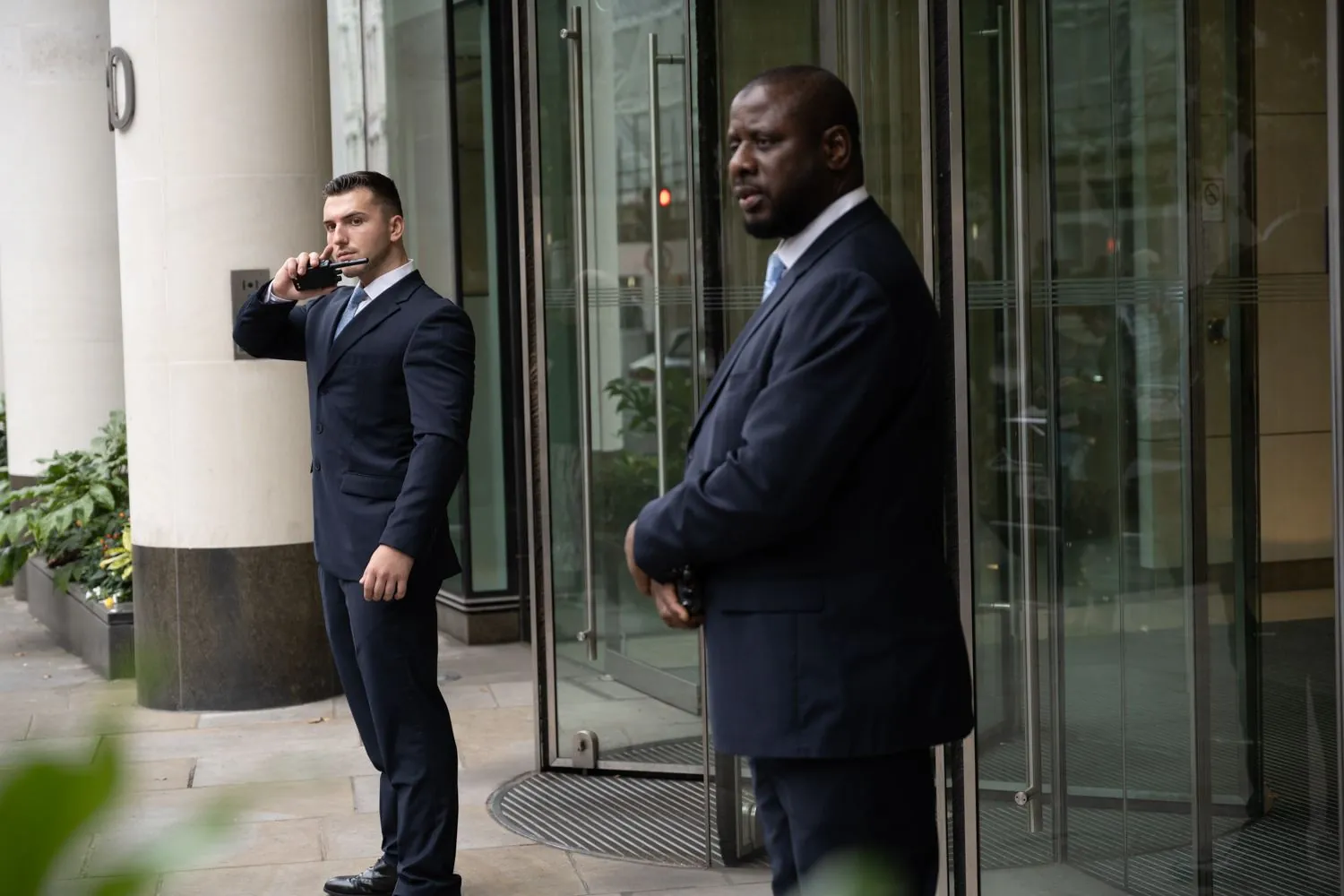
Short answer: Corporate travel security is the planning and proportionate personal security support that helps businesses manage risks to people during work-related journeys. It matters because an executive's responsibilities, public visibility and changing itinerary can create concerns that ordinary travel booking does not address. Not every traveller needs a close protection officer; the right arrangements follow the individual and the journey.
Business travel connects offices, airports, hotels, meeting venues and public events. Each handover introduces practical questions: who owns the itinerary, who knows about changes, and who can resolve a disrupted journey? A professionally organised trip can still become uncertain when a meeting overruns, a transfer changes or a traveller attracts unwanted attention.
For London businesses and visitors, corporate travel security should support the purpose of the visit rather than overwhelm it. This guide explains the decisions an executive assistant, business owner or responsible manager can make before seeking professional support. It does not describe sensitive operational procedures or replace legal advice.
1. Protecting Executives and Senior Leadership
Senior executives, directors and prominent business figures can have a different level of public visibility from other employees. Their names may appear in company announcements, event programmes or professional coverage. That visibility is a reason to consider circumstances, not evidence that they automatically face a threat.
A high-value meeting can involve confidential discussions and several people coordinating travel. Predictable arrangements, unnecessarily wide distribution of schedules and unclear responsibility for changes may make the visit harder to manage. Personal security planning asks what information is genuinely needed and who is authorised to receive it.
Protect the person without disrupting the business
The executive still needs to arrive prepared, attend meetings and communicate with colleagues. A proportionate approach considers privacy, professional presentation and the individual's preferences. It should not turn a routine appointment into a conspicuous security exercise without justification.
Reputational considerations also matter. Drivers and protection personnel may interact with reception staff, hosts and business representatives. Calm communication and respect for venue procedures help avoid confusion. Discuss the expected conduct and scope rather than assuming a job title guarantees an appropriate approach.
2. Understanding the Risks of Business Travel
Risk varies between people, destinations and activities. An unfamiliar environment may create uncertainty about transport and accommodation, while a well-known destination may still involve a public engagement or a specific concern. A useful assessment separates ordinary inconvenience from a personal security issue.
Transport disruption, unwanted attention, accommodation suitability and careless information sharing all warrant consideration. Their relevance depends on the itinerary. A delayed transfer is not necessarily a threat, but it can leave responsibilities unclear if nobody knows who is arranging the alternative.
Start with practical questions
- Does the traveller understand the destination and any relevant current advice?
- Are transport and meeting arrangements confirmed with the responsible parties?
- Are there personal concerns or public engagements that need assessment?
- Is accommodation suitable for the traveller's requirements?
- Who communicates changes and can authorise an alternative?
- Is private itinerary information limited to appropriate recipients?
Avoid dramatic assumptions or unsupported statistics. These questions establish what needs further discussion; they do not prove that every risk can be removed. Our companion guide on understanding executive travel risks looks more closely at the assessment process.
3. The Importance of Planning Before Travel
Advance planning reduces uncertainty by making responsibilities explicit. Begin with the purpose of the visit, the traveller's requirements and the general sequence of destinations. Identify what is confirmed, what is provisional and which changes would require a fresh decision.
A written brief should be useful rather than exhaustive. Relevant information might include the requested dates, general locations, transport requirements, public engagements and the concern prompting support. Sensitive schedules, personal contact details and access information should be shared only when needed through an agreed channel.
Coordinate the people involved
An executive assistant may organise meetings, a travel team may book accommodation, and a host may control access to a venue. Each can hold part of the picture without owning the whole journey. Agree one responsible business contact and clarify which decisions remain with the traveller or employer.
Contingency planning means identifying how decisions will be made if arrangements change. It does not mean publishing alternative routes or detailed security responses. Confirm who can approve a replacement transfer, update the host or reconsider an appointment. If support cannot cover a changed plan, that limit should be communicated honestly.
For overseas travel, consult current Foreign, Commonwealth & Development Office travel advice. It provides destination-specific information, not a personalised security assessment or a guarantee that travel is appropriate for every individual.
4. Airport Transfers and Executive Transport
Transport arrangements can form an important part of a corporate travel security plan. The relevant issues include coordination, reliable communication, professional conduct and privacy. A vehicle booking alone does not establish who will manage delays, changed destinations or the transition to the next appointment.
Confirm the driver and vehicle responsibilities, the expected period of service and who communicates itinerary changes. Discuss luggage, accessibility or other practical needs at a general level before confirming the arrangement. Do not assume every transport booking includes a protection officer or additional services.
Distinguish driving from personal protection
A security chauffeur and a close protection officer can have different primary duties. Combining tasks requires assessment; a person driving cannot simultaneously perform every accompanying responsibility. Where several people or destinations are involved, explain the movements so suitable staffing can be considered.
VIP Protection Services offers security chauffeur support in London. Discuss whether professional transport alone is appropriate or whether it should be coordinated with executive protection in London. Vehicles, personnel, preparation and any exclusions should appear in the agreed scope rather than be inferred from a service name.
Airport support must respect airport and carrier rules. Private protection does not grant unrestricted access, bypass official procedures or replace aviation security. This guide deliberately avoids operational airport instructions and security-sensitive details.
5. The Role of Close Protection
A close protection officer may be appropriate where the traveller's circumstances, visibility or identified concerns justify personal support. The professional role can include accompanying protection, situational awareness, journey coordination and communication with authorised contacts within the agreed assignment.
The decision should not be based simply on seniority or the value of a business meeting. Some visits need better coordination rather than an accompanying officer. Others require a more considered plan because of a credible concern, public appearance or several overlapping duties.
Agree what the officer will actually do
Clarify who needs protection, where cover starts and ends, the requested hours and how changes are approved. Confirm whether transport, venue liaison and preparation are included. Additional duties or a longer visit may require an amended proposal rather than an assumption of unlimited cover.
For regulated UK work, use the SIA licence checker to verify the relevant individual's licence. Licensing requirements depend on the activity and employment circumstances; a company description is not a substitute for checking proposed personnel.
Our London close protection service can discuss an assessed requirement. Protection is intended to manage risk professionally, not to promise that an incident cannot happen or that every executive needs the same arrangement.
6. Corporate Responsibility and Duty of Care
Businesses arranging travel should consider employee welfare and reasonable precautions appropriate to the journey. That includes listening to relevant concerns, organising suitable communication and making informed decisions when circumstances change. A travel policy is useful only if the people involved understand their responsibilities.
Legal duties depend on the employer, traveller and circumstances. This article does not establish a particular legal obligation, insurance entitlement or tax treatment. Obtain qualified advice where those questions affect a decision. The Health and Safety Executive's risk assessment guidance provides a general framework for identifying hazards and deciding on proportionate controls; it is not an executive protection specification.
Keep a usable decision record
Record the significant concern, the information considered, the agreed response and the person responsible for reviewing it. Distinguish evidence from assumptions. If an arrangement is provisional, label it accordingly rather than describing it as confirmed protection.
Include the traveller in appropriate discussions. Welfare, accessibility and working expectations can affect the plan, but personal information should not be circulated unnecessarily. A security plan must also coordinate with the organisation's existing travel, privacy and emergency procedures rather than create conflicting instructions.
7. Choosing a Corporate Travel Security Provider
Compare providers against the assignment, not prestige language or an unsupported ranking. Relevant experience, current licensing where applicable, professional conduct and clear communication are useful starting points. Ask the provider to explain the scope in language a business representative can understand.
Questions to ask before confirming support
- Which roles and personnel are proposed, and what checks apply?
- What information is needed before suitability and availability can be confirmed?
- Who is responsible for travel coordination and liaison with venues?
- Which preparation, hours, transport and reporting are included or excluded?
- How are changes, substitutions and additional costs authorised?
- How will private traveller information be handled?
A quotation should identify the service actually proposed. Compare like-for-like briefs and avoid assuming that a larger team is automatically better. Verify evidence relevant to the work without requesting another client's private itinerary or identity.
Professional standards should be evident in the first discussion: discretion, realistic expectations, respect for legal boundaries and acknowledgement of uncertainty. No provider should need invented certifications, client stories or safety guarantees to explain its offering.
If a requirement also concerns offices or a corporate event, explore corporate security services separately. Premises security and travelling personal protection have different responsibilities; arranging one does not automatically include the other.
Turn the discussion into a clear brief
Before approaching a provider, nominate the business representative who can confirm requirements. Give the general destination, intended dates, number of travellers and purpose of the journey, then explain the concern without forwarding a complete private itinerary. Ask which further details are necessary for assessment and when they should be shared. This keeps the first conversation focused while leaving sensitive information under appropriate control.
After receiving a proposal, check that it reflects the actual visit. An executive travelling alone to one meeting may require a different arrangement from colleagues attending several venues at the same time. If the business expects a service beyond the written scope, raise it before acceptance. A clear enquiry, realistic expectations and an agreed point of contact are more useful than an elaborate document that nobody maintains.
8. Conclusion: Preparation, Not Blanket Protection
Corporate travel security matters because it connects the traveller's needs with proportionate planning, clear responsibility and appropriate support. It helps businesses decide what is justified rather than automatically applying close protection to every journey.
For London visits, UK business travel or an overseas requirement, start with the person, destinations and concerns. Our own UK-based officers can accompany clients internationally by arrangement, subject to destination law, licensing, immigration permissions and availability. Overseas support must be assessed and agreed individually.
Request a confidential quotation to discuss executive protection and travel security, or see executive protection across the UK. Please call 020 3488 5714 or enquire on WhatsApp. An enquiry is not a confirmed booking; suitable arrangements and availability must be agreed before relying on attendance.
Frequently Asked Questions
Related Articles
Understanding Executive Travel Risks: What Businesses and Senior Leaders Need to Know
Understand the security risks executives can face while travelling and how businesses can improve journey planning, personal safety and executive protection.
Hiring GuideCan You Hire a Bodyguard for One Day?
Agree scope, hours, personnel and availability for a defined visit or event.
Bodyguard HireHow to Hire a Bodyguard in the UK: The 2026 Complete Guide
Hiring a bodyguard starts with a clear requirement, checks on the proposed personnel and a written agreement—not a guaranteed start time from a general enquiry.
Related Security Services
Explore the services referenced in this guide, or arrange a professional security assessment.
About the Author
Roy
Director, VIP Protection Services
Roy is a Director of VIP Protection Services, overseeing SIA-licensed close protection, executive protection, corporate security and residential security across the UK. He personally writes and reviews every guide, checking each against current SIA licensing rules and BS 7858:2019 screening standards before publication.
- SIA Close Protection licensed officers
- BS 7858:2019 screened (5-year vetting)
- Documented assignment planning
“Discreet, impeccably presented and completely reliable. They planned the detail properly rather than simply putting people on the ground — which is exactly what we needed.”
Ready to Discuss Your Security Requirements?
If you're researching protection because your circumstances have changed, you don't need to decide on the right service yourself. Speak confidentially with our team. We'll discuss your situation, explain the available options and advise on the appropriate next step.
Your enquiry is handled discreetly. There is no obligation to proceed.